Calm in the Chaos: How I Learned to Breathe Again
Anxiety doesn’t announce itself with sirens—it creeps in quietly, turning small worries into heavy burdens. Many people today feel this weight, often without realizing they’re not alone. Recognizing anxiety as a signal, not a flaw, is the first step toward balance. This article explores simple, science-backed ways to respond with awareness, offering practical steps to help you regain a sense of calm—one breath, one moment at a time. The journey to emotional resilience doesn’t require dramatic changes. Instead, it begins with noticing, pausing, and choosing gentle, intentional actions that honor your inner experience. Over time, these small shifts can restore a sense of control and peace, even in the busiest of lives.
The Quiet Epidemic: Understanding Modern Anxiety
Anxiety is not simply a reaction to stress—it has become a defining condition of modern life. Unlike acute stress, which fades once a challenge passes, anxiety often lingers, manifesting as a low hum of unease that colors daily thoughts and decisions. It shows up in the mother who lies awake at night replaying conversations from the day, the professional who feels restless despite having no urgent deadline, or the caregiver whose chest tightens during quiet moments. These experiences are not rare; they are widespread. According to the World Health Organization, anxiety disorders affect over 260 million people globally, making them among the most common mental health conditions. Yet many who struggle do not seek help, often because they believe their feelings are not severe enough to warrant attention.
What makes modern anxiety particularly insidious is its invisibility. Unlike physical pain, which demands immediate notice, anxiety often goes unacknowledged, dismissed as part of being busy or responsible. The line between normal worry and chronic anxiety can blur, especially when life moves at a relentless pace. Constant connectivity plays a major role—smartphones keep us tethered to work emails, social media comparisons, and breaking news, leaving little room for mental rest. The brain, designed to respond to threats, now faces a steady stream of perceived dangers: a missed message, a delayed reply, a negative comment. Over time, this triggers a sustained state of alertness that drains emotional reserves.
Another contributor is the pressure to appear composed and in control. Many women, especially those managing households, careers, and extended families, internalize the belief that they must handle everything without showing strain. This cultural expectation can prevent honest conversations about emotional fatigue. When anxiety is seen as a personal failing rather than a human response to overwhelming demands, it becomes harder to address. Yet understanding anxiety as a natural reaction to sustained pressure—not a character flaw—can be profoundly freeing. It shifts the focus from self-blame to self-care, from silence to support.
Recognizing the signs is the first act of resistance. Common symptoms include persistent overthinking, difficulty concentrating, irritability, muscle tension, and disrupted sleep. These are not signs of weakness but signals that the nervous system is overloaded. The goal is not to eliminate anxiety entirely—some level of concern is useful and protective—but to prevent it from becoming the default state. By naming the experience and validating its presence, individuals take the first step toward reclaiming balance. Awareness does not require diagnosis; it simply asks for honesty. And in that honesty, healing begins.
Why Awareness Comes First
Before any technique or tool can be effective, something more fundamental must be in place: awareness. Just as a person with high blood pressure must first know their numbers to manage their health, emotional wellness begins with the ability to notice internal states. This concept, often called health consciousness, involves tuning in to thoughts, emotions, and bodily sensations with curiosity rather than judgment. For many, this is a radical shift. Daily life often rewards productivity over presence, encouraging people to push through discomfort rather than pause and assess. But ignoring emotional signals is like driving a car without checking the fuel gauge—eventually, the system stalls.
Consider a typical morning: waking to an alarm, checking messages, rushing through breakfast, and diving into tasks. In this routine, there is little space to ask, How am I really feeling? Yet within those first moments, subtle signs of anxiety may already be present—a clenched jaw, shallow breathing, a knot in the stomach. Without awareness, these cues go unnoticed, allowing tension to build unnoticed. Over time, the body adapts to this low-grade stress, normalizing what should be temporary. But when awareness is cultivated, even briefly, it creates a pause. That pause becomes a doorway to choice. Instead of reacting automatically—snapping at a child, skipping a meal, scrolling endlessly—a person can respond with intention.
Mindful noticing is not about fixing or eliminating discomfort. It is about acknowledging it. Research in neuroscience shows that simply labeling an emotion—such as saying, I feel anxious—can reduce activity in the amygdala, the brain’s fear center. This does not erase the feeling, but it diminishes its intensity. Awareness also disrupts the cycle of rumination, where the mind replays worries without resolution. By stepping back and observing thoughts as passing mental events rather than absolute truths, individuals gain psychological distance. This shift does not happen overnight, but with practice, it becomes more natural.
One practical way to build awareness is through body scanning. Taking just two minutes to mentally move from head to toe, noticing areas of tension or ease, can ground a person in the present. Another method is the “check-in” practice: pausing at regular intervals—before meals, after a meeting, during a commute—to silently ask, What am I feeling right now? The answer might be fatigue, impatience, or even calm. There is no right or wrong response. The value lies in the act of noticing. Over time, this habit strengthens emotional resilience, making it easier to respond to challenges with clarity rather than reactivity. Awareness is not a destination; it is a daily practice of returning to oneself.
The Power of the Pause: Breathing as Ground Zero
Among all the tools available for managing anxiety, breath stands out for its simplicity, accessibility, and immediate effect. Unlike medications or therapies that require time or resources, breathing is always available. More importantly, it directly influences the nervous system. When anxiety arises, the body activates the sympathetic nervous system, triggering the “fight-or-flight” response: heart rate increases, muscles tense, and breathing becomes rapid and shallow. Diaphragmatic breathing—also known as belly breathing—counteracts this by activating the parasympathetic nervous system, which promotes relaxation and recovery.
What makes diaphragmatic breathing effective is its physiological impact. When the diaphragm moves deeply, it massages the vagus nerve, a key component of the parasympathetic system. This stimulation signals the brain that danger has passed, leading to a measurable drop in heart rate and blood pressure. Studies have shown that slow, controlled breathing can reduce symptoms of anxiety within minutes. The technique does not require special training or equipment. It simply asks for attention and consistency. The basic method involves inhaling slowly through the nose for a count of four, allowing the abdomen to rise, then exhaling gently through the mouth for a count of six. The extended exhale is crucial—it enhances the calming effect by prolonging the activation of the vagus nerve.
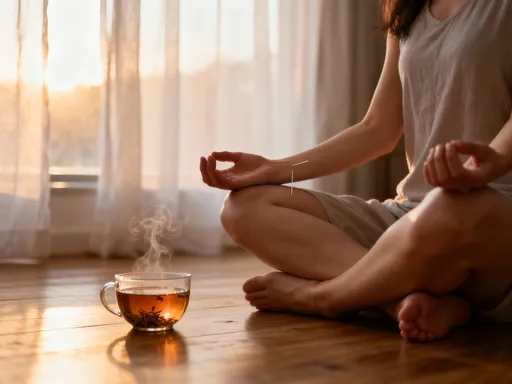
To practice, one can sit comfortably with hands resting on the lower belly. Feeling the rise and fall of the abdomen helps ensure the breath is deep rather than shallow. If the chest moves more than the belly, the breath is likely too high in the lungs. With each cycle, the focus remains on the sensation of air entering and leaving the body. When the mind wanders—a natural occurrence—the practice is to gently return attention to the breath without frustration. Even three minutes of this exercise can shift the body’s state from agitation to calm.
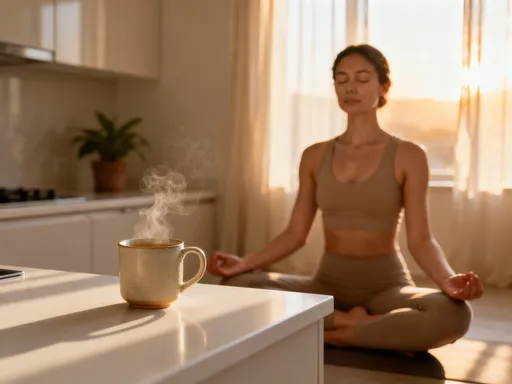
Integrating breathwork into daily routines increases its effectiveness. For example, beginning the day with two minutes of diaphragmatic breathing before checking the phone sets a grounded tone. Another opportunity is during transitions—after dropping children at school, before starting dinner, or during a work break. These moments of intentional breathing become anchors, offering stability amid life’s unpredictability. Over time, the body learns to associate this practice with safety, making it easier to access calm when stress arises. Breath is not a cure, but it is a powerful ally in the journey toward emotional balance.
Movement That Makes Sense: Gentle Physical Reset
Physical activity is often recommended for mental well-being, but the idea of exercise can feel overwhelming, especially when anxiety depletes energy. The good news is that intense workouts are not required to experience benefits. Gentle, intentional movement can be just as effective in reducing anxiety. Unlike high-effort regimens that may feel like another demand, soft physical practices honor the body’s need for release without adding pressure. Walking, stretching, and even shaking the limbs can help discharge accumulated tension and restore a sense of presence.
Movement supports mental health in several ways. First, it helps regulate stress hormones. When anxiety activates the fight-or-flight response, the body releases cortisol and adrenaline. These chemicals prepare the body for action, but when not used, they linger, contributing to restlessness and fatigue. Physical motion allows these hormones to be metabolized, reducing their lingering effects. Second, movement increases blood flow to the brain, enhancing mental clarity and focus. Third, it strengthens the mind-body connection, helping individuals feel more embodied and less disconnected from themselves.
A simple yet powerful practice is the “shake-off” routine. Standing in a private space, one can gently shake the arms, legs, and torso for one to two minutes. This mimics a natural animal behavior—after a threat passes, animals often tremble to release stored energy. Humans, conditioned to suppress such responses, benefit from reintroducing this release. Another effective option is mindful walking. Instead of walking with headphones or a destination in mind, one can walk slowly, noticing the sensation of each step, the rhythm of breath, and the sounds of the environment. This turns a routine activity into a meditative practice.
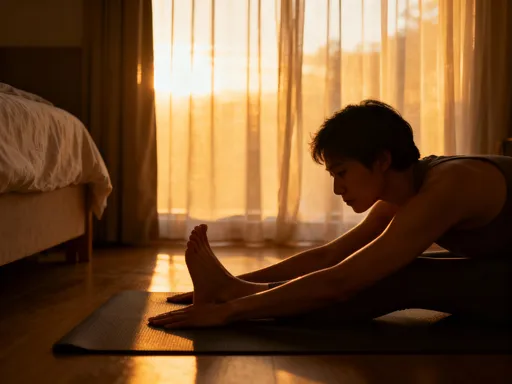
Stretching is another accessible tool. A five-minute sequence—reaching the arms overhead, folding forward, rotating the shoulders—can relieve muscle tension caused by prolonged sitting or stress. The key is to move without striving for perfection. There is no goal other than to feel the body and invite relaxation. These small acts of movement are not about fitness; they are about reconnection. When practiced regularly, they create a buffer against anxiety, offering moments of release and renewal throughout the day.
Rewiring Routine: Small Habits with Big Impact
Sustainable change in emotional health rarely comes from dramatic overhauls. Instead, it emerges from consistent, manageable habits that gradually reshape daily life. Three simple practices—morning check-ins, digital wind-downs, and gratitude pauses—can significantly reduce anxiety when practiced regularly. Each takes less than five minutes and requires no special tools, making them realistic even for the busiest schedules. More importantly, they address key contributors to modern anxiety: mental clutter, overstimulation, and negative thought patterns.
The morning check-in begins the day with intention. Upon waking, before engaging with devices, one takes a moment to ask, How am I feeling? The answer might be tired, hopeful, anxious, or neutral. Naming the emotion creates awareness and prevents automatic immersion in external demands. This brief pause also allows space to set a gentle tone for the day, perhaps by repeating a calming phrase like, I am doing my best. Over time, this habit fosters emotional honesty and reduces the tendency to ignore inner signals until they become overwhelming.
The digital wind-down addresses the impact of screen exposure on sleep and mood. Many people end their days scrolling through social media or watching videos, exposing the brain to blue light and stimulating content. This disrupts melatonin production, making it harder to fall asleep and increasing next-day anxiety. A digital wind-down involves turning off screens at least thirty minutes before bed and replacing them with calming activities—reading a book, journaling, or listening to soft music. This transition signals to the body that it is time to rest, improving sleep quality and emotional regulation.
The gratitude pause, practiced at any point during the day, shifts attention from lack to appreciation. It involves silently noting one thing that is going well—a warm cup of tea, a child’s laughter, a moment of quiet. Research in positive psychology shows that regular gratitude practice can reduce stress, improve mood, and enhance resilience. The key is consistency, not quantity. Even one intentional moment of appreciation daily can rewire the brain to notice positives more readily, counterbalancing the brain’s natural negativity bias. Together, these habits form a foundation for calmer, more conscious living.
When to Reach Out: Knowing the Limits of Self-Care
Self-awareness and daily practices are powerful tools, but they are not meant to replace professional care. There is a crucial difference between managing everyday anxiety and living with a condition that requires clinical support. Knowing when to seek help is an act of courage and wisdom. Persistent symptoms—such as difficulty sleeping for weeks, frequent panic attacks, or an inability to concentrate on basic tasks—may indicate that anxiety has moved beyond self-management. Similarly, if anxiety leads to avoidance of social situations, work responsibilities, or family interactions, it may be time to consult a healthcare provider.
Therapy offers structured support for understanding and addressing anxiety. Cognitive Behavioral Therapy (CBT), in particular, has strong scientific backing for helping individuals identify and change unhelpful thought patterns. A licensed therapist provides a safe space to explore emotions, develop coping strategies, and gain insight into underlying causes. In some cases, a doctor may recommend medication as part of a treatment plan. These decisions should be made in consultation with qualified professionals, not based on internet searches or peer advice.
Seeking help is not a sign of failure. It is a recognition that mental health, like physical health, sometimes requires expert intervention. Just as one would see a doctor for persistent pain, it is equally valid to seek support for emotional distress. The goal is not to eliminate all anxiety—some level is natural and even useful—but to ensure it does not control life. Professional care can provide tools and perspectives that self-help methods alone may not offer. By combining personal practices with professional guidance, individuals create a comprehensive approach to well-being.
Living with Intention: Building a Calmer Life Over Time
Emotional wellness is not a destination but a continuous journey. There is no final point at which anxiety disappears completely. Instead, the goal is to develop a different relationship with it—one based on awareness, compassion, and response rather than reaction. Each small choice to pause, breathe, move, or notice adds up over time, creating a life that feels more grounded and intentional. Calm is not the absence of chaos but the ability to remain centered within it.
The practices outlined in this article are not quick fixes. They are invitations to return to oneself, again and again. Some days will be easier than others. There will be moments of forgetfulness, frustration, or setback. That is normal. What matters is the willingness to begin again, without judgment. Over time, these moments of conscious presence build resilience, like muscle strengthened through repetition. The nervous system learns to shift more easily from stress to calm, not because life becomes easier, but because the internal response changes.
Living with intention also means redefining success. It is not measured by productivity or perfection but by moments of connection—with oneself, with loved ones, with the present moment. It is found in the quiet breath before a difficult conversation, the walk taken without distraction, the gratitude noted before sleep. These are the building blocks of a calmer life. They do not erase challenges, but they provide a steadier foundation from which to meet them.
Ultimately, the journey toward calm is a form of self-respect. It says, My well-being matters. My peace is worth protecting. And that message, repeated through daily choices, becomes a quiet revolution—one breath, one moment, one day at a time.