What If Your Hair’s Health Began on Your Plate?
For years, I chased perfect hair with serums, masks, and expensive routines—only to realize the real change started in my kitchen. Thin strands, breakage, slow growth—it wasn’t my shampoo. It was my diet. What you eat fuels your hair from the root, and once I understood that, everything shifted. This isn’t a quick fix; it’s a long-term upgrade. Let me walk you through how food became my secret weapon for stronger, shinier, healthier hair.
The Hidden Link Between Diet and Hair Health
Hair may grow from the scalp, but its strength, texture, and growth rate are deeply influenced by what happens inside the body. Many women spend months investing in high-end shampoos, conditioners, and treatments, only to overlook the most powerful factor: nutrition. Hair is primarily made of a protein called keratin, and each strand emerges from a follicle that depends on a steady supply of vitamins, minerals, and amino acids to function properly. When the body lacks essential nutrients, hair is often one of the first areas to show signs of imbalance.
Deficiencies in iron, for example, are commonly linked to hair thinning, especially among women of childbearing age. Iron helps red blood cells carry oxygen to hair follicles, and without enough of it, growth can slow or stop altogether. Similarly, low levels of zinc can disrupt the hair growth cycle, leading to increased shedding. Biotin, often marketed in supplements, plays a real role in maintaining the infrastructure of hair cells—but most people get enough from a balanced diet. Omega-3 fatty acids, found in fatty fish and certain seeds, help keep the scalp hydrated and reduce inflammation that can interfere with healthy growth.
The truth is, external care only does so much. A deeply moisturizing mask might smooth the cuticle temporarily, but if the hair shaft is weak due to poor nutrition, it will continue to break. Likewise, volumizing sprays add lift, but they don’t strengthen new growth. This is why so many women feel frustrated—they’re treating the symptom, not the source. When diet supports hair from within, the results are not just visible, they’re lasting. The shift begins not in the bathroom, but at the dining table.
Why Quick Fixes Fail: The Long-Term Truth About Hair Growth
Modern beauty culture thrives on instant results. Ads promise thicker hair in weeks, or even days, using serums, lasers, or miracle elixirs. But biology doesn’t work on marketing timelines. Hair grows at an average rate of about half an inch per month, and each strand goes through a complex cycle that lasts several years. This cycle includes a growth phase (anagen), a resting phase (telogen), and a shedding phase (catagen). Disruptions in any of these stages can lead to noticeable thinning or loss.
When women experience increased shedding, the instinct is often to look for a quick solution—switching shampoos, trying new treatments, or buying supplements promoted online. While some of these may offer marginal benefits, they rarely address the root causes. For example, a sudden increase in hair fall after childbirth or during periods of high stress is often temporary and related to hormonal shifts. Similarly, crash diets or extreme calorie restriction can shock the system, pushing more hairs into the resting phase. In such cases, no topical product can override the body’s internal signals.
The reality is that sustainable hair health is not built overnight. It requires consistent nourishment over months. Think of hair growth like planting a garden: seeds don’t sprout the day they’re sown, and they need sunlight, water, and fertile soil to thrive. The same is true for hair follicles. They need time and the right conditions to produce strong, healthy strands. Patience is not passive—it’s an active part of the process. By focusing on long-term dietary habits instead of temporary fixes, women can support their hair in a way that aligns with how the body naturally works.
Essential Nutrients That Power Hair Growth
Healthy hair doesn’t rely on one single nutrient—it’s the result of a balanced network of vitamins and minerals working together. Understanding which nutrients play key roles can help women make informed choices about their daily meals. Among the most critical are protein, iron, vitamin D, biotin, zinc, omega-3 fatty acids, and antioxidants. Each contributes to different aspects of hair structure, growth, and resilience.
Protein is foundational. Since hair is made of keratin, a type of protein, a consistent dietary supply of amino acids is essential. Without enough protein, the body may prioritize other functions over hair growth, leading to thinning or brittle strands. Good sources include eggs, poultry, fish, legumes, and Greek yogurt. Iron follows closely, particularly for women who may lose iron through menstruation. Low iron stores, even without full-blown anemia, can impair hair growth. Spinach, lentils, tofu, and lean red meat are excellent natural sources.
Vitamin D, often called the sunshine vitamin, supports the creation of new hair follicles. Many women, especially those in northern climates or with limited sun exposure, have suboptimal levels. Fatty fish like salmon and mackerel, fortified dairy products, and egg yolks can help maintain adequate intake. Biotin, while widely promoted, is needed in small amounts, and deficiency is rare. However, including biotin-rich foods like sweet potatoes, almonds, and whole grains can still support overall hair integrity.
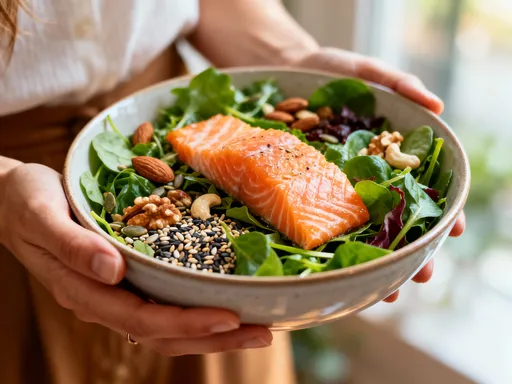
Zinc helps regulate the oil glands around follicles and supports tissue repair. Oysters are the richest source, but pumpkin seeds, chickpeas, and cashews also provide meaningful amounts. Omega-3 fatty acids, found in salmon, chia seeds, flaxseeds, and walnuts, nourish the scalp, reduce dryness, and may help prevent hair from becoming brittle. Finally, antioxidants like vitamins C and E protect hair from oxidative stress caused by pollution, UV exposure, and internal inflammation. Citrus fruits, bell peppers, sunflower seeds, and avocados are all rich in these protective compounds.
Building a Hair-Healthy Plate: Daily Eating Patterns That Work
Knowing which nutrients support hair health is one thing; putting them into daily practice is another. The key is not perfection, but consistency. A hair-healthy diet doesn’t require drastic changes or expensive specialty foods. Instead, it’s about making small, sustainable choices that add up over time. The goal is to create a plate that is colorful, balanced, and rich in whole foods.
Breakfast is a great place to start. Instead of sugary cereals or plain toast, consider a bowl of oatmeal topped with chia seeds, sliced almonds, and berries. This provides fiber, protein, omega-3s, and antioxidants—all in one meal. Greek yogurt with a sprinkle of flaxseed and a handful of walnuts offers protein, biotin, and healthy fats. For lunch, a salad with mixed greens, grilled chicken or chickpeas, avocado, and a vinaigrette made with olive oil delivers iron, folate, vitamin E, and essential fatty acids. Adding a hard-boiled egg boosts biotin and protein even further.
Dinner can feature fatty fish like salmon or sardines at least twice a week, which supply both protein and omega-3s. Pair it with quinoa or sweet potato for complex carbohydrates and additional nutrients. Leafy greens like spinach or kale should appear regularly—they’re packed with iron, calcium, and vitamins A and C. Snacks matter too. Instead of chips or cookies, opt for a small handful of pumpkin seeds, a piece of fruit with nut butter, or cottage cheese with cinnamon. These choices keep energy levels stable and provide steady nourishment to hair follicles.
The focus should be on variety and routine. No single meal has to contain every nutrient, but over the course of a week, a diverse diet ensures the body gets what it needs. Women don’t need to track every gram of protein or vitamin—they just need to build habits that make nutrient-dense eating the default, not the exception.
Foods That Sabotage Hair Health (And What to Choose Instead)
Just as certain foods support hair growth, others can quietly undermine it. The problem isn’t always what women are missing—it’s what they’re consuming in excess. Highly processed foods, sugary snacks, and refined carbohydrates can trigger inflammation and insulin spikes, which may disrupt hormonal balance and indirectly affect hair health. Over time, these dietary patterns can create an internal environment that’s less supportive of strong, healthy hair.
White bread, pastries, and sugary drinks cause rapid increases in blood sugar, leading to a surge in insulin. Chronic high insulin levels have been linked to increased androgen activity, which in some women can contribute to hair thinning, especially along the part line or crown. Similarly, diets low in protein and high in empty calories fail to provide the building blocks hair needs to grow. Crash diets or extreme calorie restriction can send the body into survival mode, where non-essential functions like hair growth are deprioritized.
Trans fats, found in many fried and packaged foods, increase inflammation and may impair circulation to the scalp. Excessive alcohol consumption can deplete nutrients like zinc and B vitamins, which are vital for hair maintenance. Even seemingly harmless habits—like drinking several diet sodas a day or relying on convenience meals—can add up to nutritional gaps over time.
The good news is that small swaps can make a big difference. Choosing whole grain bread instead of white, snacking on nuts instead of chips, and drinking water or herbal tea instead of soda are simple changes that support overall health—and by extension, hair health. Replacing sugary desserts with fruit and yogurt, or using avocado instead of mayonnaise, adds nutrients without feeling restrictive. These aren’t about deprivation; they’re about upgrading choices to ones that fuel the body more effectively. When women make these shifts gradually, they’re more likely to stick with them long-term.
Real Changes Take Time: Tracking Progress Without Obsession
One of the hardest parts of improving hair health through diet is the waiting game. Unlike a new haircut or a fresh color, changes from within don’t show up overnight. It typically takes 3 to 6 months before improvements become visible, because that’s how long it takes for new, healthier hair to grow from the root and emerge past the scalp. During this time, impatience can lead to frustration or even giving up altogether.
The key is to track progress in ways that don’t fuel anxiety. Instead of daily mirror checks or pulling tests, consider taking monthly photos under the same lighting. Note subtle changes—less shedding on the brush, improved shine, or a stronger feel when running fingers through hair. Some women notice their ponytail feels thicker or that split ends appear less frequently. These small signs are meaningful, even if they’re not dramatic.
Keeping a simple journal can also help. Record meals a few times a week, not to restrict, but to observe patterns. Note energy levels, mood, and how hair feels. Over time, connections may emerge—like better hair texture after adding more fatty fish, or less shedding during weeks with more leafy greens. This isn’t about perfection; it’s about awareness.
It’s also important to manage expectations. Genetics, age, and underlying health conditions still play a role. Diet can’t override every factor, but it can optimize the environment for the best possible outcome. Women who stay consistent often find that, months later, they’re not just seeing better hair—they’re feeling better overall. That’s the real reward: a sense of alignment between how they care for their body and how they look and feel.
Beyond Diet: Lifestyle Factors That Support Long-Term Hair Health
While food is the foundation, it doesn’t work in isolation. Other lifestyle factors play supporting roles in maintaining healthy hair. Sleep, stress management, and hydration are three pillars that, when balanced, enhance the benefits of good nutrition.
Sleep is when the body repairs and regenerates. During deep rest, growth hormone levels rise, and cells—including hair follicles—undergo renewal. Chronic sleep deprivation can disrupt hormone balance and increase cortisol, a stress hormone linked to hair shedding. Aim for 7 to 8 hours of quality sleep each night, and establish a calming bedtime routine to support restful nights.
Stress, especially long-term emotional or physical stress, can have a profound impact on hair. The condition known as telogen effluvium occurs when stress pushes a large number of hair follicles into the resting phase, leading to noticeable shedding weeks or months later. While eliminating stress isn’t possible, managing it through mindfulness, gentle movement like walking or yoga, or time in nature can make a difference. Even five minutes of deep breathing each day can help regulate the nervous system.
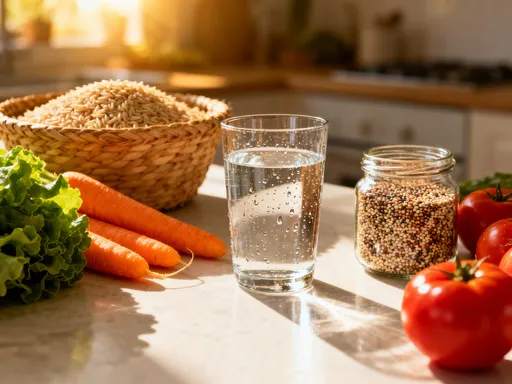
Hydration is another often-overlooked factor. Water supports every bodily function, including nutrient delivery to cells. A dry scalp can lead to flakiness and irritation, which may interfere with healthy growth. While water alone won’t make hair grow faster, chronic dehydration can weaken overall health and indirectly affect appearance. Drinking enough fluids—water, herbal teas, or water-rich foods like cucumbers and melons—helps maintain balance.
Together, these elements create a holistic approach. Diet provides the raw materials, but sleep, stress management, and hydration ensure the body can use them effectively. When women nurture all these areas, they’re not just investing in their hair—they’re investing in their long-term well-being.
Conclusion: Your Hair Reflects Your Long-Term Choices
Healthy hair is not the result of a single superfood, a viral trend, or a miracle product. It’s the reflection of consistent, daily choices—what you eat, how you rest, and how you care for your body over time. The journey from thin, brittle strands to stronger, shinier hair begins not with a purchase, but with a shift in mindset. It’s about recognizing that true beauty is rooted in health.
For many women, this realization brings a sense of empowerment. Instead of chasing quick fixes, they learn to trust the slow, steady power of nourishment. They discover that a bowl of lentil soup, a handful of seeds, or a piece of grilled salmon can be more transformative than any serum. They begin to see meals not as chores or restrictions, but as acts of care.
The changes may take months to reveal themselves, but they last far longer than any temporary solution. And in the process, women often find that their energy improves, their skin glows, and their overall sense of vitality grows. Hair becomes not just a sign of health, but a symbol of it.
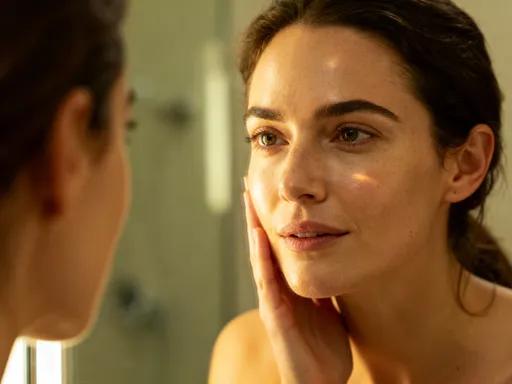
So the next time you stand in front of the mirror, remember: your hair is speaking. It’s telling you what your body needs. And when you listen—not with fear, but with kindness and consistency—you give it the support it deserves. Because healthy hair isn’t just about looking good. It’s about feeling strong, grounded, and deeply cared for—from the inside out.