This Is What Happens When You Slow Down in Suva’s Wild Terrain
You know that feeling when a place just gets you? Suva, Fiji, surprised me with its raw, untamed landscape—lush hills, volcanic ridges, and coastal trails that seem untouched. I came for the culture, stayed for the terrain. Slowing down let me feel every step, from misty highland villages to quiet mangrove shores. This isn’t just travel; it’s connection. And honestly? The real magic of Fiji isn’t in resorts—it’s beneath your feet.
Arriving in Suva: First Impressions Beyond the Capital
Suva, often labeled as Fiji’s administrative heart, carries a reputation for bureaucracy and urban rhythm. Yet just beyond its tree-lined avenues and colonial-era buildings lies a landscape that defies expectation. The city sits perched between steep volcanic foothills and the vast expanse of the Pacific Ocean, a geographical crossroads where concrete gives way to jungle in less than ten minutes. Visitors stepping off the plane at Nadi International Airport might initially head straight for beachfront resorts, but those who journey eastward to Suva encounter a different kind of arrival—one that begins not with a cocktail, but with a shift in perspective.
What sets Suva apart is its seamless blending of urban life and wild terrain. As the capital, it hosts embassies, universities, and bustling markets, yet within a short drive, the city dissolves into winding roads that climb into cloud-kissed highlands. This contrast is not accidental—it is foundational to how Fijians live. The urban environment does not dominate nature; instead, it nestles within it. Homes cling to slopes, gardens bloom in volcanic soil, and rainforest canopies loom over roadside stalls. For the slow traveler, this transition offers a powerful invitation: to move not just through space, but through layers of geological and cultural depth.
Slow travel in Suva means resisting the urge to treat the city as a mere transit point. It means lingering at roadside fruit stands where women sell pineapples and rambutan with quiet pride, or pausing at the edge of a ravine where a sudden downpour turns a dry creek into a rushing stream. It is in these moments that the rhythm of the island reveals itself—not in schedules, but in the pulse of the land. The humidity wraps around you like a second skin, birds call from unseen branches, and the air carries the scent of wet earth and frangipani. When you allow yourself to absorb these sensations, Suva stops being just a capital and becomes a threshold—a gateway into a deeper understanding of Fiji’s natural soul.
The Heart of Fiji’s Terrain: Volcanic Roots and Living Landscapes
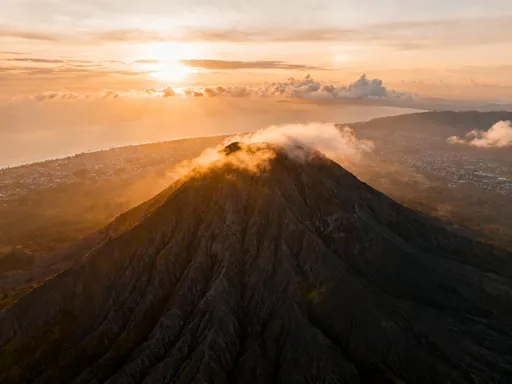
Beneath Suva’s surface lies a story millions of years in the making. The island of Viti Levu, where Suva is located, was formed by powerful volcanic activity that pushed molten rock through the ocean floor, creating a spine of rugged mountains and fertile valleys. These ancient eruptions laid the foundation for one of the South Pacific’s most dynamic landscapes. Today, the terrain around Suva reflects that fiery origin—steep ridges rise sharply from the coast, rivers carve deep gorges through basalt rock, and plateaus host villages that seem suspended between sky and sea.
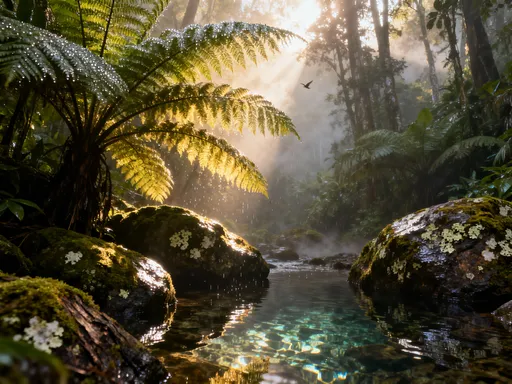
This volcanic history is not just a geological footnote; it shapes every aspect of life. The rich, red soil—iron-laden and deeply fertile—supports lush vegetation, from taro patches to towering hardwood trees. Rainforests thrive on the slopes, their canopies home to rare birds like the orange dove and the crimson shining parrot. Freshwater streams, fed by highland rainfall, wind down through the terrain, providing clean water for villages and nourishing the roots of Fijian agriculture. Even the air feels different at higher elevations—cooler, thinner, carrying the scent of moss and damp bark.
Understanding this landscape deepens appreciation for Fijian resilience. The people have learned to live in harmony with a land that is both generous and unpredictable. Volcanic soil yields abundant crops, but the same terrain makes travel difficult—roads wind precariously, and landslides are not uncommon during heavy rains. Yet these challenges are met with adaptability. Farmers plant on terraced slopes, homes are built with flexible materials to withstand tremors, and communities rely on shared knowledge passed down through generations. The land is not seen as something to conquer, but as a living presence—respected, consulted, and honored.
In this way, the terrain becomes more than scenery. It is a teacher. For the traveler who takes time to understand it, the volcanic roots of Viti Levu offer lessons in patience, humility, and balance. Walking through a rainforest, one begins to see how each element—tree, stream, rock—plays a role in a larger system. This awareness transforms the journey from passive observation to active engagement. The land speaks, not in words, but in textures, sounds, and rhythms. And when you listen closely, you begin to feel your own place within it.
Walking the Ridge Trails: A Slow Traveler’s Path
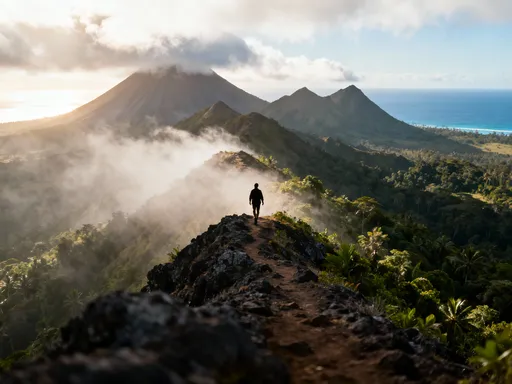
One of the most profound ways to experience Suva’s terrain is on foot, particularly along the ridge trails that snake through the highlands. These paths, often little more than packed earth and exposed roots, offer a direct connection to the island’s topography. Trails near Thurston Gardens, for instance, begin gently, winding through shaded groves of ferns and banyan trees, but soon climb into steeper inclines where every step requires focus. Further inland, the Navua Highlands present even more dramatic routes—elevated walkways that follow ancient lava flows, now softened by centuries of growth.
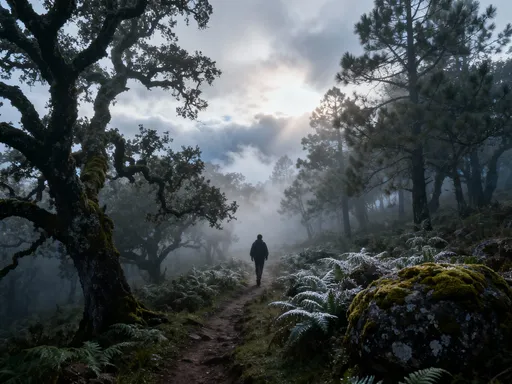
Walking slowly on these trails reveals a world invisible to the rushing eye. A flash of color in the underbrush might be a rainbow bee-eater darting between branches. A faint rustle could signal a Pacific ground dove taking flight. The canopy above hums with insect life, and the occasional call of a collared lory pierces the air. Mist rolls in unexpectedly, transforming the landscape into a dreamscape of gray and green. One moment, the view stretches across endless ridges; the next, visibility shrinks to a few feet, and the only sound is your own breath.
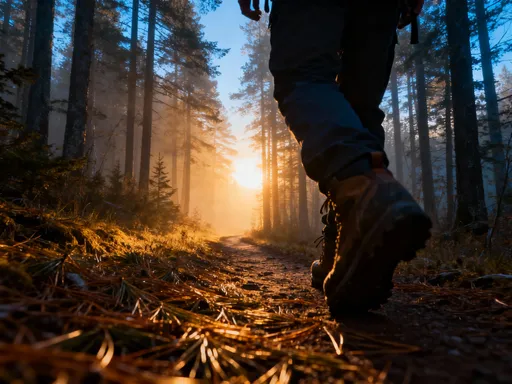
These trails are not designed for speed. They demand presence. A misplaced step can send loose stones skittering down the slope. Rain turns the path to slick clay, requiring careful balance. But it is precisely this challenge that makes the experience so rewarding. As your body adapts—feet learning the rhythm of ascent, lungs adjusting to thinner air—your mind begins to quiet. The constant chatter of modern life fades, replaced by a heightened awareness of your surroundings. You notice the way sunlight filters through leaves, the pattern of moss on a fallen log, the subtle shift in temperature as you cross from sun to shade.
And then there are the side paths—narrow, often unmarked trails that branch off toward hillside villages. These are not tourist routes. They lead to homes where families tend gardens on steep inclines, where children run barefoot between houses built on stilts. Locals may wave or offer a quiet greeting in Fijian. These encounters are fleeting but meaningful, reminders that this land is lived in, not just visited. By walking slowly, you are not merely passing through—you are being welcomed, even if only for a moment, into the daily rhythm of island life.
Coastal Transitions: Where Mountains Meet the Pacific
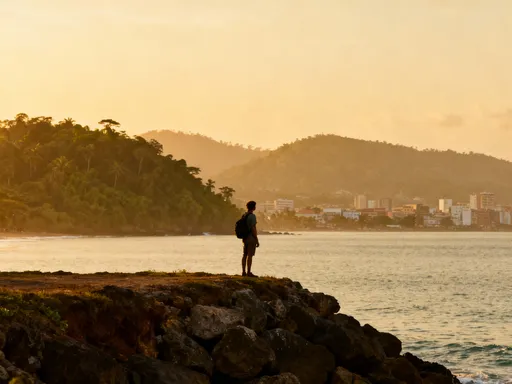
As the volcanic highlands descend toward the sea, the terrain undergoes a quiet transformation. The hard, jagged ridges soften into rolling hills, then give way to coastal flats where the land meets the Pacific in a delicate balance. This transition zone—where freshwater rivers mingle with tidal saltwater—is one of Fiji’s most ecologically rich environments. Areas like Pacific Harbour and the Wainibuka River delta are prime examples, where mangrove forests stretch across tidal flats, their tangled roots creating a labyrinth of life.
Walking through these coastal zones at low tide is an experience unlike any other. The ground, exposed by the receding water, is a mosaic of textures—muddy silt, cracked clay, and patches of seagrass. Each step sinks slightly, requiring deliberate movement. Crabs scuttle sideways into burrows, mudskippers leap between pools, and herons stalk the shallows with patient precision. The air carries a briny scent, mixed with the faint decay of organic matter—a sign of fertility, not neglect. This is a place of constant change, shaped by the daily rhythm of the tides.
For local communities, these coastal areas are vital. Mangroves act as natural barriers against storm surges, protect shorelines from erosion, and serve as nurseries for fish and shellfish. Families harvest mud crabs and gather shellfish during low tide, using knowledge passed down through generations. Children learn to navigate the mudflats with bare feet, avoiding deep channels and knowing where the ground is firm. The connection between people and this dynamic landscape is intimate and practical.
For the traveler, walking these tidal zones offers a humbling reminder of nature’s cycles. There is no control here—only adaptation. You cannot rush the tide, nor can you ignore its power. You must move with it, respect its timing, and accept that some paths are only passable at certain times of day. This surrender to natural rhythm is a core lesson of slow travel. It strips away the illusion of human dominance and replaces it with a quieter truth: that we are part of a larger system, one that operates on its own terms.
Village Connections: Terrain That Shapes Culture
The land does not just shape the physical environment—it shapes the people. In the villages nestled along Suva’s hillsides and riverbanks, daily life is dictated by the contours of the terrain. Homes are built on slopes, their foundations anchored into red earth. Gardens follow the curve of the land, with taro and yams planted in terraced patches. Water flows from mountain springs through hand-laid channels, irrigating crops and filling communal washing areas. Every decision, from where to build a house to when to harvest, is influenced by the land’s demands and gifts.
Visiting these villages offers a rare glimpse into a way of life that remains deeply connected to nature. In one riverside community, elders speak of a sacred peak that watches over their valley, a place where ancestors are said to walk during foggy mornings. In another, a landslide from last year’s rains is still visible—a scar on the hillside, but also a story of resilience. Families rebuilt, supported by neighbors who brought food and helped clear debris. These narratives are not told with drama, but with quiet matter-of-factness. The land gives, and the land takes, and the people respond with patience and unity.
Conversations with villagers often turn to the seasons—when the rains come, when the rivers rise, when the fruit trees bloom. There is a deep awareness of natural cycles, a knowledge that cannot be learned from books. A woman tending her garden might point to a distant ridge and say, “When the clouds rest there, rain follows by evening.” A fisherman preparing his net might explain how certain tides bring better catches. These insights are not scientific in the Western sense, but they are precise, tested by time and necessity.
For the slow traveler, these interactions are transformative. They move the journey beyond sightseeing into the realm of relationship. You are not just observing culture—you are being invited to understand it on its own terms. The terrain is not a backdrop; it is a living thread woven into language, tradition, and identity. To walk through a village, to share a cup of kava under a thatched roof, to listen to stories shaped by the land, is to experience Fiji not as a destination, but as a living, breathing presence.
Practical Slow Travel: Transport, Timing, and Terrain Readiness
Embracing Suva’s wild terrain requires preparation, not just in gear, but in mindset. Public transportation in Fiji, such as local buses, offers an authentic way to travel between towns, but schedules can be flexible and routes may not reach remote trailheads. For deeper access, hiring a local driver familiar with mountain roads is often the most reliable option. These drivers not only navigate rough terrain with ease but also serve as informal guides, pointing out hidden waterfalls or family-owned fruit stands along the way.
Footwear is critical. Trails can be slippery after rain, and coastal mudflats demand shoes that drain water and resist clogging. Sturdy hiking sandals or trail runners with good grip are ideal. A lightweight rain jacket is essential—sudden showers are common, especially in the highlands. Packing a reusable water bottle, snacks, and a basic first-aid kit ensures you’re prepared for unexpected delays. Sun protection is equally important; even on cloudy days, UV exposure in the tropics can be intense.
Timing your journey around the seasons makes a significant difference. The dry season, from May to October, offers the most favorable conditions for hiking and coastal exploration. Days are sunny, humidity is lower, and trails are less muddy. Starting hikes early in the morning allows you to avoid the midday heat and increases your chances of spotting wildlife. Afternoon is best reserved for rest—many locals do the same, retreating indoors during the hottest hours.
Perhaps the most important readiness is mental. Roads may be unpaved, plans may change, and connectivity will be limited. These are not inconveniences—they are part of the experience. Embracing uncertainty allows you to move at the island’s pace, not your own. When a bus is late, you wait. When a trail is washed out, you find another way. This flexibility fosters a deeper connection to the place and its people. Slow travel is not about comfort; it is about presence. And presence, more than any checklist of sights, is what transforms a trip into a journey.
Why This Journey Matters: Reconnecting with Earth Through Motion
In an age of instant gratification and curated experiences, traveling through Suva’s wild terrain offers something rare: authenticity. This is not tourism designed for convenience, but for connection. Every uphill step, every muddy footprint, every quiet moment in a village garden serves as a reminder that we are part of a living world—one that does not revolve around us, but invites us to move with it.
Resort-based vacations have their place, offering comfort and relaxation. But they often insulate travelers from the true character of a place. In contrast, slow travel across challenging terrain strips away those layers. It asks you to feel the sun on your neck, the weight of your pack, the ache in your legs. It asks you to listen—to the wind in the palms, to the rhythm of a village drum, to the silence between rain showers. In doing so, it fosters mindfulness, a deep and quiet awareness that lingers long after the journey ends.
More than personal growth, this kind of travel cultivates respect. Respect for the land that sustains communities. Respect for the cultures that have lived in harmony with it for centuries. Respect for the simple truth that some of the most profound experiences come not from what we see, but from how we move through the world. The uneven path, the slippery trail, the unexpected downpour—these are not obstacles to avoid, but teachers to embrace.
So if you find yourself in Suva, resist the urge to rush. Step off the main road. Follow the ridge trail into the mist. Let the land guide you. Because the real magic of Fiji isn’t in postcard views or luxury villas—it’s in the red earth beneath your feet, the salt on your skin, the quiet understanding that you are walking through a story much larger than your own. And that, perhaps, is the most valuable journey of all.