You Won’t Believe What This Blue City Hides
Jodhpur doesn’t just wear its soul on the surface—it lives it. Walking through its indigo lanes, I felt like I’d stepped into a living museum where every wall, temple, and market stall tells a story. From majestic forts to hidden courtyards buzzing with tradition, the city’s cultural venues offer more than beauty—they breathe history. If you're chasing authenticity, Jodhpur doesn’t just deliver; it overwhelms in the best way possible. This is not a city frozen in time, but one that pulses with continuity, where centuries-old customs unfold naturally in the rhythm of daily life. Here, culture is not performed for tourists—it is lived, preserved, and quietly celebrated in ways both grand and intimate. To visit Jodhpur is to witness heritage not as a relic, but as a living thread woven through every interaction, scent, and shade of blue.
The Soul of the City: Mehrangarh Fort as a Cultural Heartbeat
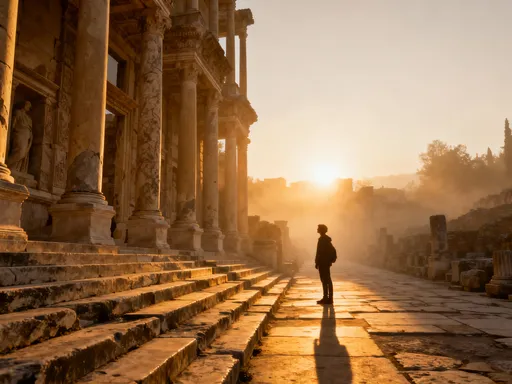
Sitting atop a 125-meter-high hill, Mehrangarh Fort dominates the skyline of Jodhpur like a sentinel of history. Its massive sandstone walls, carved with intricate jharokhas and fortified with seven imposing gates, have watched over the city since the 15th century. Built by Rao Jodha in 1459, the fort was more than a royal residence—it was a symbol of resilience, power, and the enduring spirit of the Marwar dynasty. Each gate tells a story of conquest and sacrifice, none more poignant than the Loha Pol, where the marks of royal sati—where queens once followed their kings in death—are still visible on the stone. This is not just architecture; it is memory made visible.
Inside the fort’s sprawling complex, visitors walk through a series of palaces that reflect the evolution of Rajput artistry and lifestyle. The Moti Mahal, or Pearl Hall, once hosted royal courts and glittering assemblies, while the Sheesh Mahal, with its mirror inlays, shimmered under candlelight to create an illusion of stars. These spaces are now part of a meticulously curated museum, one of the finest in Rajasthan, where artifacts speak of a refined civilization. Collections include ornate palanquins, royal cradles, historic paintings, and an impressive array of arms and armor—among them, the famed howdah used in elephant warfare and matchlock rifles that once defended the kingdom.
What makes Mehrangarh more than a monument is its role as a cultural guardian. The Mehrangarh Museum Trust actively preserves manuscripts, textiles, and oral histories, ensuring that the legacy of the region is not only displayed but understood. Educational programs, guided heritage walks, and collaborations with local schools help pass knowledge to younger generations. For travelers, a visit here is not passive observation. It is an immersion into the values of honor, craftsmanship, and lineage that continue to shape Jodhpur’s identity. The panoramic view from the ramparts—of blue homes cascading below—reminds you that the past is not distant; it is the foundation of the present.
Step Into Tradition: The Vibrant Life of Sardar Market
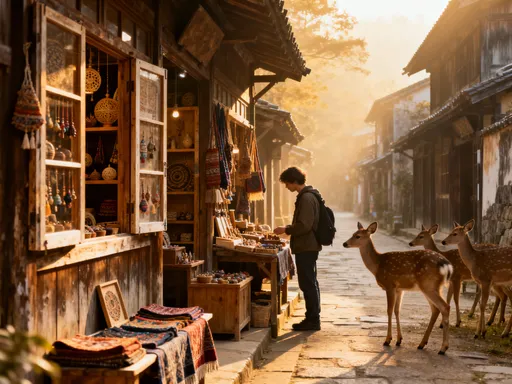
If Mehrangarh Fort is the city’s crown, Sardar Market is its beating heart. Located just outside the fort’s base, this bustling bazaar is a sensory celebration of Rajasthani life. From dawn until dusk, the narrow lanes buzz with activity: vendors call out prices, spices fill the air with warm, earthy aromas, and the rhythmic tapping of artisans shaping brass and silver echoes between walls lined with colorful textiles. This is where culture is not preserved behind glass but lived in motion. Every purchase, every interaction, carries the weight of tradition and the hope of continuity.
Shoppers will find an astonishing variety of handmade goods, each rooted in regional craft. The iconic Jodhpuri mojris—soft leather sandals embroidered with gold thread—are still made by hand by skilled cobblers who have passed the trade through generations. Nearby, block-printed fabrics in geometric and floral patterns drape over stalls, their dyes derived from natural sources like pomegranate and indigo. The scent of turmeric, cumin, and saffron rises from pyramids of spices, many sold in cloth bundles tied with twine, just as they have been for centuries. Even the sweets—rich mawa kachoris and milky malpua—are prepared in open-air kitchens, their recipes guarded family secrets.
What sets Sardar Market apart is its authenticity. Unlike tourist-centric shopping zones, this is a market where locals come to buy, barter, and socialize. Engaging with vendors is not just transactional—it is relational. A smile, a polite greeting in Hindi, and a willingness to listen can open doors to stories about family crafts, seasonal changes in demand, or the challenges of preserving traditional methods in a modern economy. Visitors are encouraged to shop mindfully, choosing quality over quantity and understanding that each rupee spent supports a real family and a vanishing art form.
Respect is essential. Photography should be done with permission, especially when capturing people at work. Bargaining is expected, but it should be done with kindness, not aggression. And while the energy is vibrant, it’s important to remember that this is not a stage—it is someone’s livelihood. By approaching the market with curiosity and humility, travelers become part of a deeper exchange, one that honors the dignity of craftsmanship and the quiet pride of cultural preservation.
Temples and Spirituality: The Quiet Power of Jaswant Thada and Rao Jodha Desert Rock Garden
A short walk from Mehrangarh Fort lies Jaswant Thada, a serene marble cenotaph dedicated to Maharaja Jaswant Singh II. Built in 1899, this white memorial glows in the sunlight, its delicate latticework and graceful domes offering a striking contrast to the fort’s rugged strength. Made entirely of intricately carved Makrana marble, the same stone used in the Taj Mahal, the structure is a testament to Mughal-Rajput architectural harmony. But more than its beauty, Jaswant Thada radiates tranquility. Visitors sit on shaded benches, listening to the soft rustle of leaves and the distant chime of temple bells, feeling the weight of reverence that surrounds this place of remembrance.
The site is not only a royal memorial but also a place of pilgrimage. Locals come to pay respects, light incense, and offer prayers, especially during festivals like Diwali and Dussehra. The surrounding garden, with its reflecting pools and shaded walkways, enhances the sense of peace. Unlike grand temples with loud rituals, Jaswant Thada invites quiet contemplation—a space where history and spirituality merge. It reflects a core cultural value in Rajasthan: the deep respect for ancestors and the belief that their legacy continues to guide the living.
Nearby, the Rao Jodha Desert Rock Garden presents a different kind of spiritual experience—one rooted in nature and renewal. Established in 2006, this ecological project transformed a degraded volcanic landscape into a thriving native plant sanctuary. Once overrun with invasive cacti, the area now hosts over 200 species of indigenous flora, carefully reintroduced to restore the region’s natural balance. Walking trails wind through lava formations, past medicinal herbs, succulents, and wildflowers that bloom in season. Interpretive signs explain the ecological and cultural significance of each plant, many of which have been used in Ayurvedic medicine for generations.
The garden is more than a conservation effort; it is a symbol of harmony between people and environment. It reflects the Rajasthani philosophy of living with, not against, the desert. Educational programs teach visitors about water conservation, sustainable land use, and the importance of protecting fragile ecosystems. For many, a walk through the garden feels meditative, a reminder that spirituality in India extends beyond temples—it is found in the resilience of life in arid soil, in the quiet return of green to barren rock. Together, Jaswant Thada and the Rock Garden offer a balanced vision of culture: one that honors the past while nurturing the future.
Living Heritage: Exploring Blue-Hued Neighborhoods and Hidden Courtyards
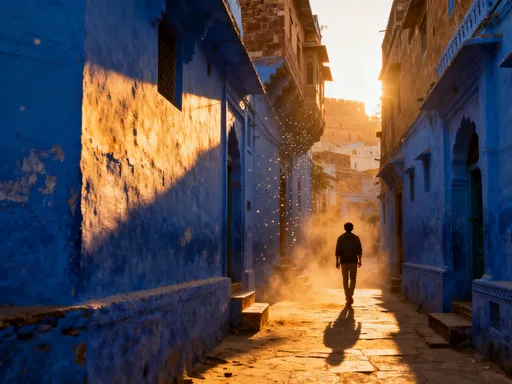
Wander beyond the main roads, and Jodhpur reveals its most enchanting secret: the blue-painted lanes of Brahmpuri and the surrounding old city. From a distance, the sea of indigo homes looks almost surreal, a painterly vision clinging to the hillside beneath the fort. Up close, the color tells a deeper story. Traditionally, Brahmin families painted their homes blue to signify their caste and to keep interiors cool in the scorching desert heat. Over time, the practice spread, and today, the blue has become a symbol of Jodhpur itself—a visual identity recognized worldwide.
But the real magic lies not in the color, but in the life that unfolds within these narrow alleys. Children play cricket with sticks and rubber balls, women stir pots on outdoor stoves, and elders sip chai on low wooden stools, watching the world pass by. Many homes are centuries-old havelis, their wooden doors carved with religious motifs and floral patterns. Some still have traditional courtyards, where families gather in the evenings, sharing meals and stories under the stars. These are not museum pieces—they are lived-in spaces, where customs are maintained not for show, but because they are part of daily rhythm.
Visitors who move slowly and respectfully may be invited for tea or offered a glimpse into a family courtyard. These moments, though brief, are among the most authentic experiences Jodhpur offers. One might see a grandmother teaching her granddaughter to roll rotis, or a father reciting folk tales to his children. The cultural transmission here is quiet, unscripted, and deeply personal. It is in these interactions that the true essence of Rajasthani life is revealed—not in grand spectacles, but in the repetition of rituals, the warmth of hospitality, and the pride in heritage.
Photography in these neighborhoods should be approached with care. Always ask permission before taking pictures of people or homes. A simple gesture, a smile, or a phrase like “Can I take photo?” in broken Hindi often opens hearts. The goal is not to capture a perfect shot, but to honor the dignity of those who welcome you into their world. By walking these lanes with awareness, travelers become witnesses to a living culture—one that values community, continuity, and the quiet beauty of everyday life.
Cultural Performance and Music: Where Folk Traditions Come Alive
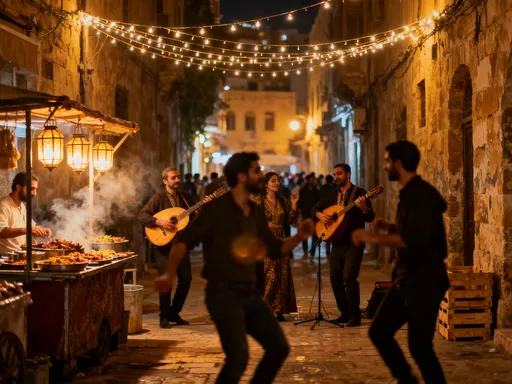
One of the most powerful ways to experience Rajasthan’s cultural soul is through its music and dance. In Jodhpur, traditional performances are not reserved for festivals alone—they are kept alive in heritage hotels, cultural centers, and community halls. The Indira Gandhi Auditorium hosts regular folk shows, while many luxury properties, like Raas and Pal Haveli, offer intimate evening performances in courtyard settings. These events are not tourist spectacles; they are celebrations of identity, where artists perform with pride and passion, keeping centuries-old traditions vibrant.
The Kalbelia dance, performed by women of the nomadic Kalbelia community, is among the most mesmerizing. Dressed in black skirts adorned with silver embroidery, the dancers move with serpentine grace, their spins and undulations mimicking the movements of snakes. Their music, driven by the ravanhatta—a stringed instrument believed to have been created by the mythical Ravana—creates a haunting, hypnotic rhythm. In 2010, UNESCO recognized Kalbelia folk songs and dances as an Intangible Cultural Heritage of Humanity, underscoring their global significance. For audiences, the experience is visceral, a connection to oral history and ancestral memory expressed through movement and sound.
Other performances include Ghoomar, a graceful dance traditionally performed by women during festivals, and folk ballads that recount tales of valor, love, and sacrifice. Musicians play the dholak, harmonium, and morchang, instruments that have accompanied Rajasthani life for generations. These stories, passed down orally, preserve the region’s history in a way textbooks cannot. They speak of warrior kings, desert journeys, and the enduring strength of women. For visitors, watching a performance is not just entertainment—it is a lesson in resilience, artistry, and cultural pride.
Some cultural centers offer workshops where travelers can learn basic dance steps or try their hand at playing traditional instruments. These hands-on experiences deepen understanding and foster appreciation. More importantly, they support the artists directly, ensuring that folk traditions remain economically viable. By attending a show or participating in a workshop, visitors contribute to the sustainability of a cultural legacy that might otherwise fade in the face of modernization.
Culinary Culture: Flavors That Tell a Story
In Jodhpur, food is not just sustenance—it is narrative. Every dish carries the imprint of history, geography, and community. The city’s cuisine, shaped by its desert environment and royal past, is rich, hearty, and deeply symbolic. Dal baati churma, the most iconic Rajasthani meal, exemplifies this. Baati, hard wheat rolls baked in charcoal, are dipped in ghee and served with spicy lentil curry (dal) and sweet crumbled wheat (churma). This dish, once carried by warriors on long journeys, speaks of endurance and simplicity. Today, it is a staple at celebrations, its preparation often a communal effort.
Another beloved specialty is mawa kachori, a deep-fried pastry filled with sweetened milk solids, cardamom, and nuts. Originating in Jodhpur’s temples, where it was offered as prasad (sacred offering), it has become a breakfast favorite. Best enjoyed fresh and warm, it is a sensory delight—crispy on the outside, rich and creamy within. Local eateries like Jodhpur Sweets and Laxmi Mishthan Bhandar have perfected the recipe over decades, drawing both residents and visitors seeking authenticity.
For those eager to go beyond tasting, cooking experiences offer a deeper connection. Several heritage homes and culinary schools host workshops where guests learn to prepare traditional dishes from local cooks. These sessions often begin with a visit to the market to select ingredients, followed by hands-on instruction in grinding spices, rolling dough, and balancing flavors. More than just a lesson in technique, these experiences reveal the values behind the cuisine: generosity, patience, and the importance of sharing food with others.
Dining in Jodhpur is also an exercise in cultural etiquette. Meals are often eaten with the right hand, seated on the floor, a practice that fosters mindfulness and connection. Visitors are welcomed into homes with warmth, and refusing hospitality can be seen as impolite. By embracing these customs, travelers show respect and openness, deepening their bond with the community. In every bite, there is a story—and in every shared meal, a bridge between cultures.
Traveler’s Guide: Navigating Jodhpur’s Cultural Scene Responsibly
Visiting Jodhpur is a privilege, and with it comes the responsibility to engage thoughtfully. The best time to visit is between October and March, when temperatures are mild and the skies are clear. These months also coincide with major festivals like Diwali and the Marwar Festival, offering rich cultural experiences. However, even outside peak season, the city’s heritage remains accessible and rewarding.
Dress modestly, especially when visiting temples or residential areas. Women should consider wearing skirts or pants that cover the knees and tops with sleeves, while men should avoid sleeveless shirts. Shoes must be removed before entering religious sites, so wear sandals that are easy to slip on and off. Carrying a small cloth to sit on during temple visits is both practical and respectful.
Photography should always be done with permission, particularly when capturing people, homes, or religious rituals. Avoid using flash in dimly lit spaces or during ceremonies. Instead of rushing from site to site, take time to observe, listen, and connect. Sit in a courtyard, share a cup of chai, and let the rhythm of the city unfold around you. These quiet moments often yield the most meaningful memories.
Support sustainable tourism by choosing locally owned guesthouses, eating at family-run restaurants, and buying directly from artisans. Avoid mass-produced souvenirs sold in malls or airport shops—opt instead for handcrafted items that carry the mark of true skill. When in doubt, ask vendors about the origin of their goods and the story behind their craft.
Jodhpur is not a destination to be conquered, but a culture to be honored. It invites travelers not as spectators, but as respectful guests in a long-standing tradition. By moving with humility, curiosity, and care, visitors become part of a living conversation—one that spans centuries, connects hearts, and preserves the soul of a blue city that hides nothing, yet reveals its depths only to those who truly look.